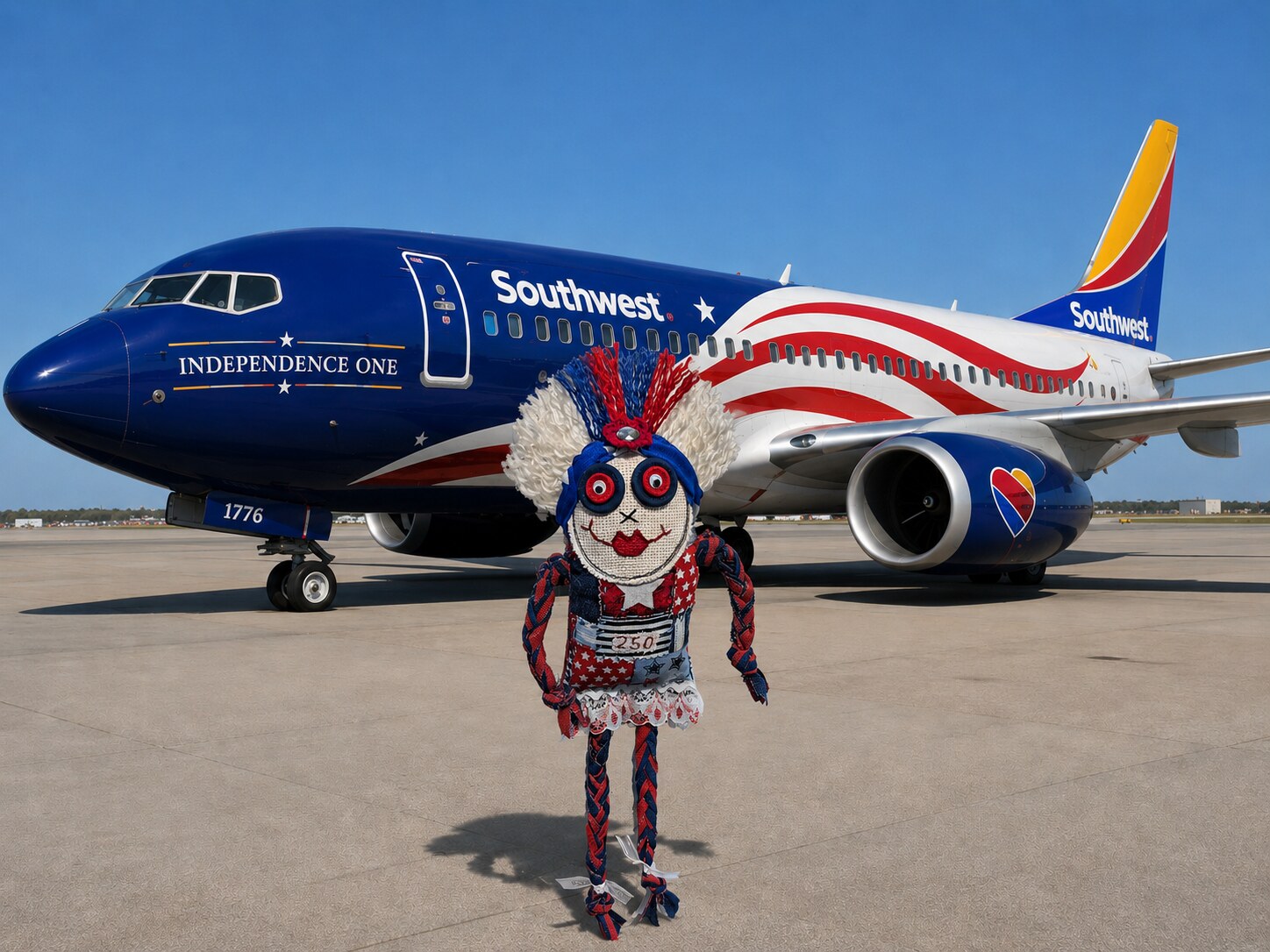
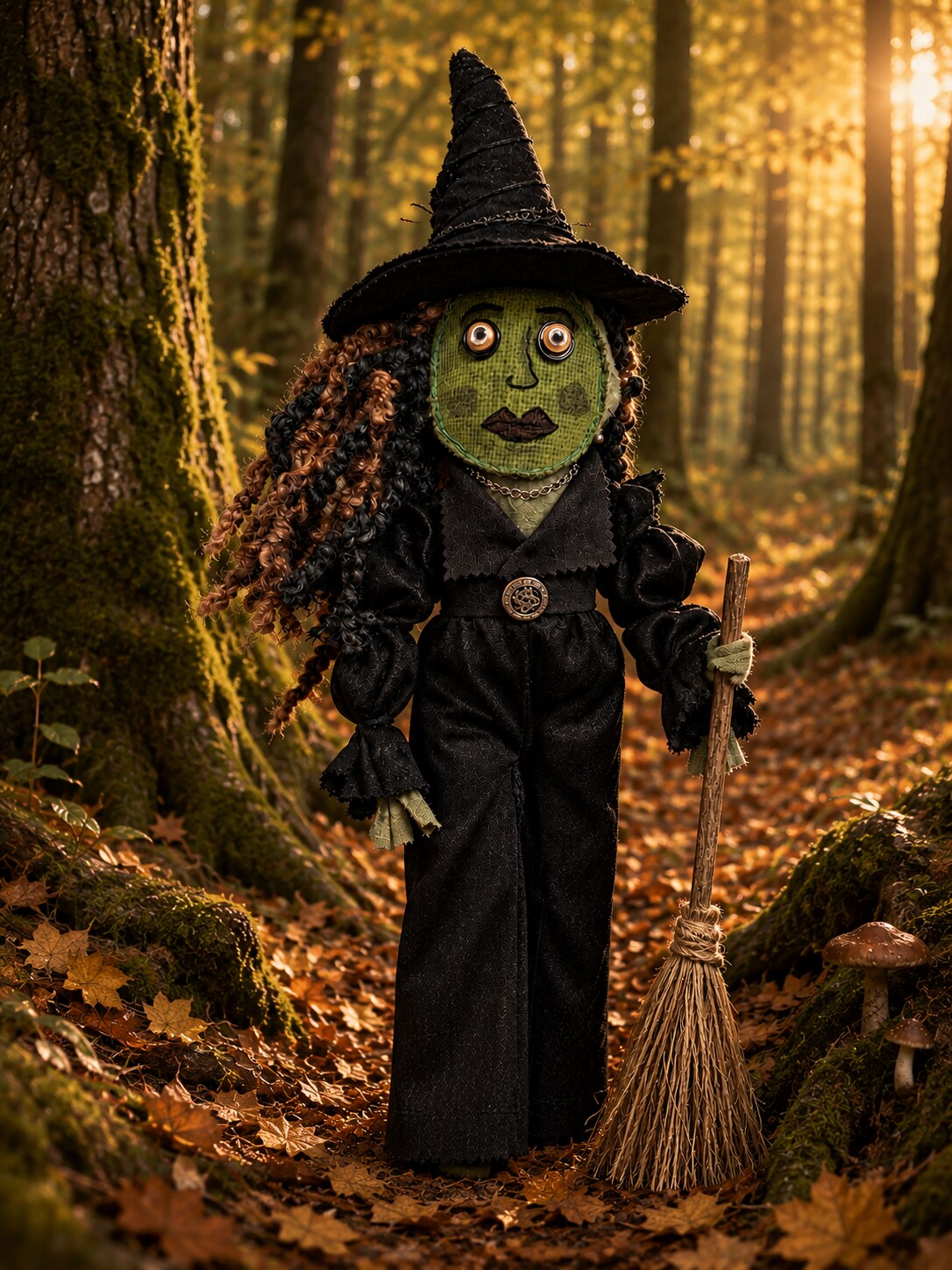
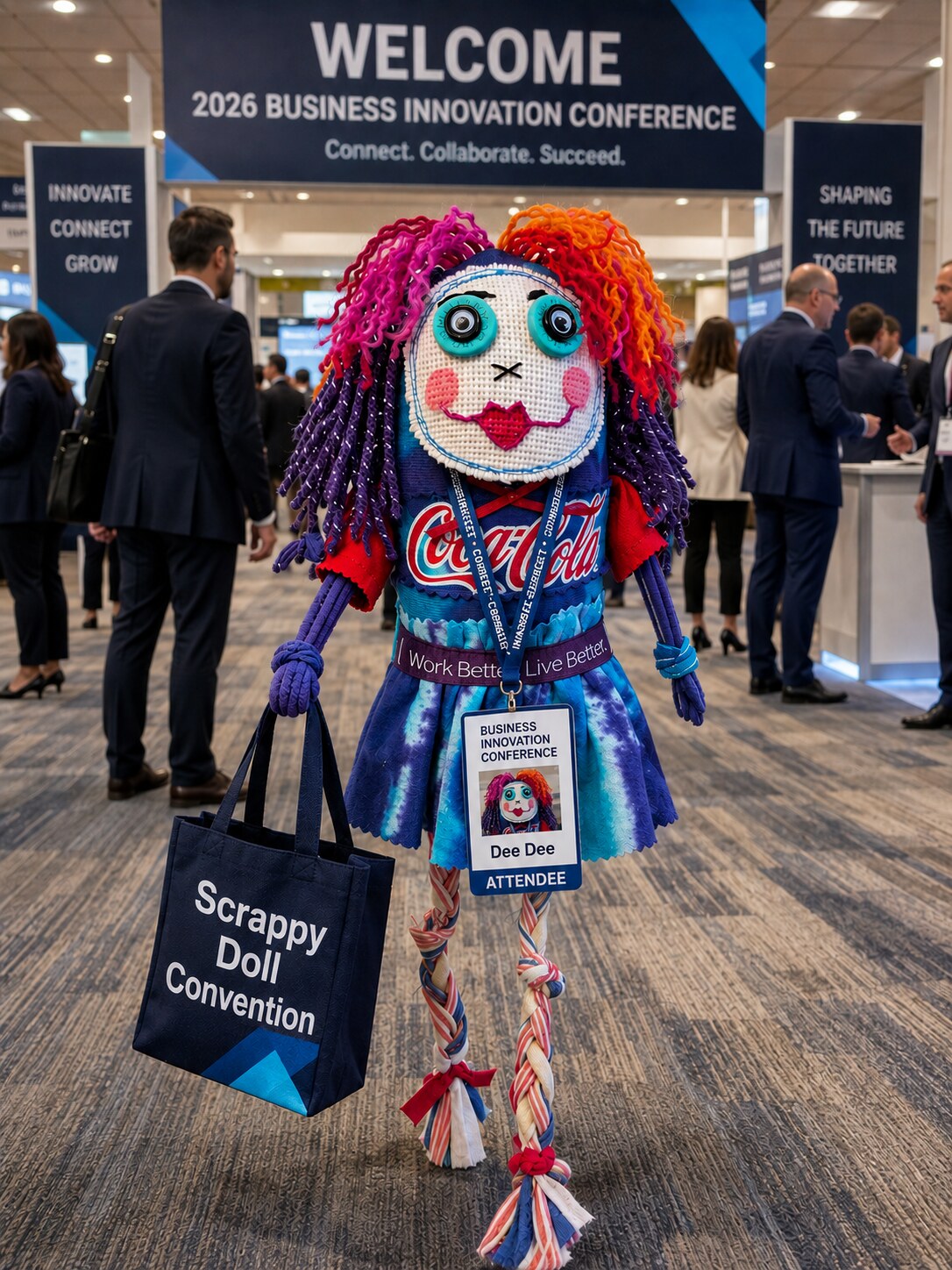
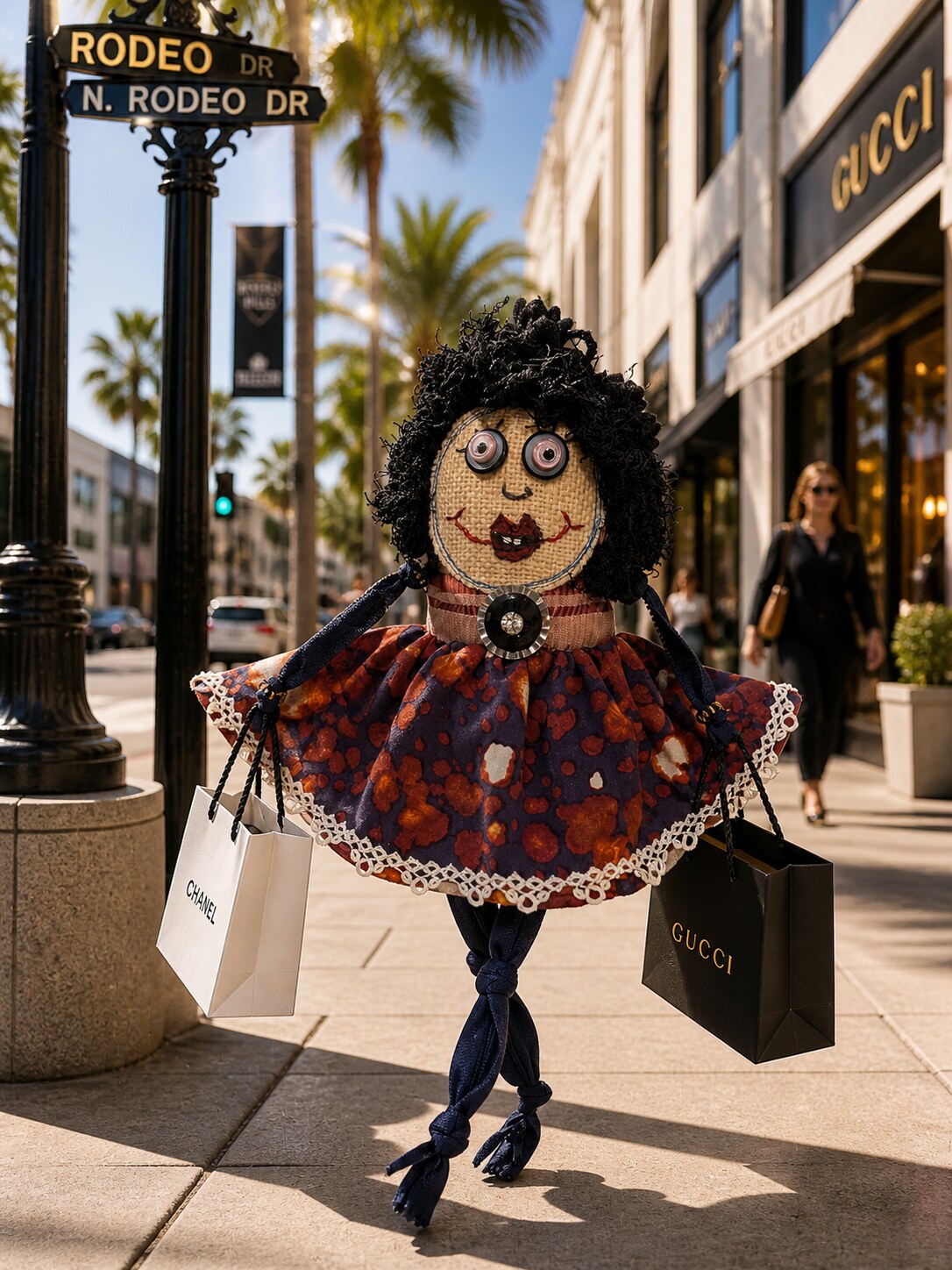
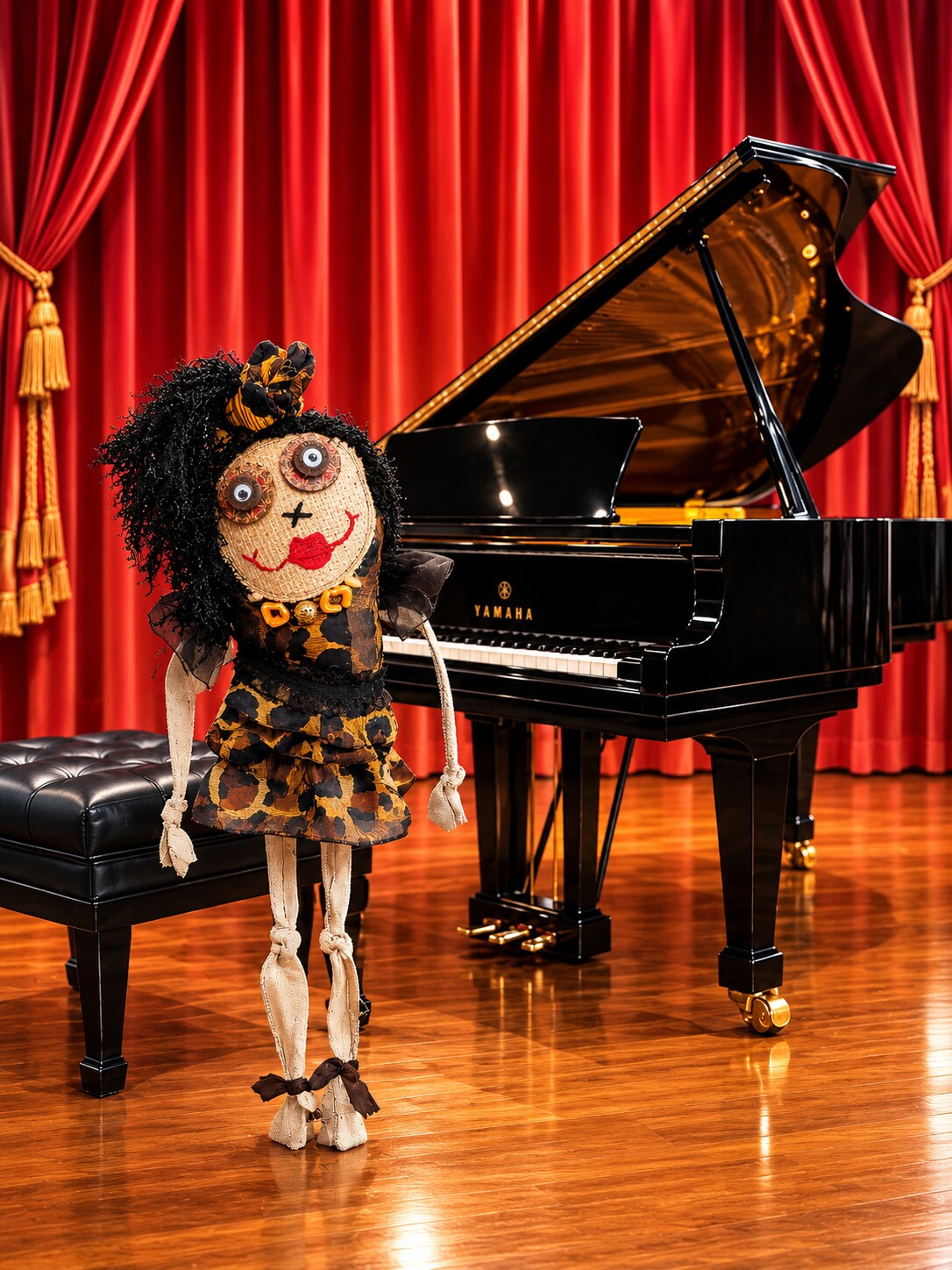
Gather
Vintage prints, quilt remnants, and meaningful scraps — every doll begins with fabric that already has a story.
Handmade by Kanda Kay
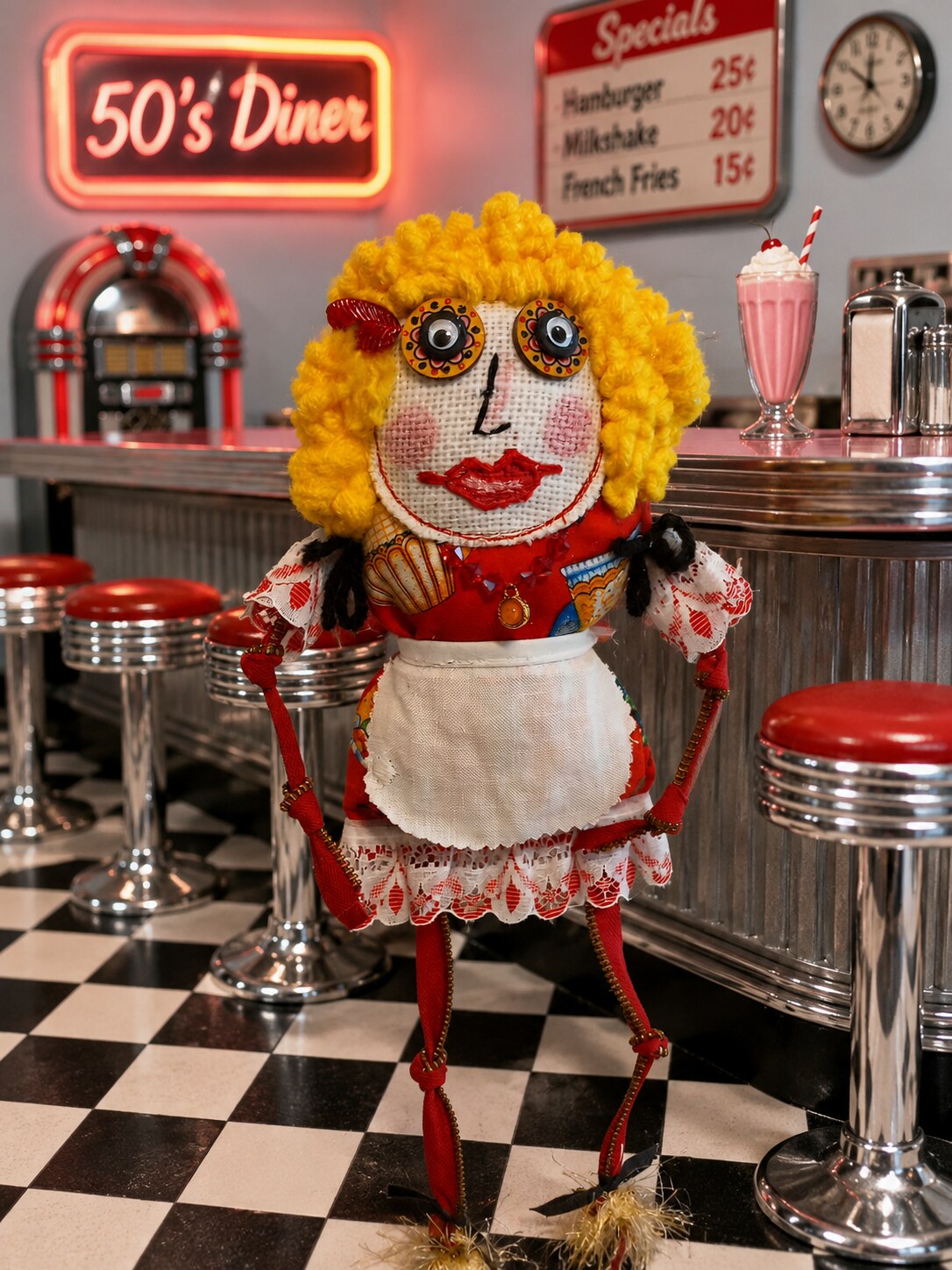
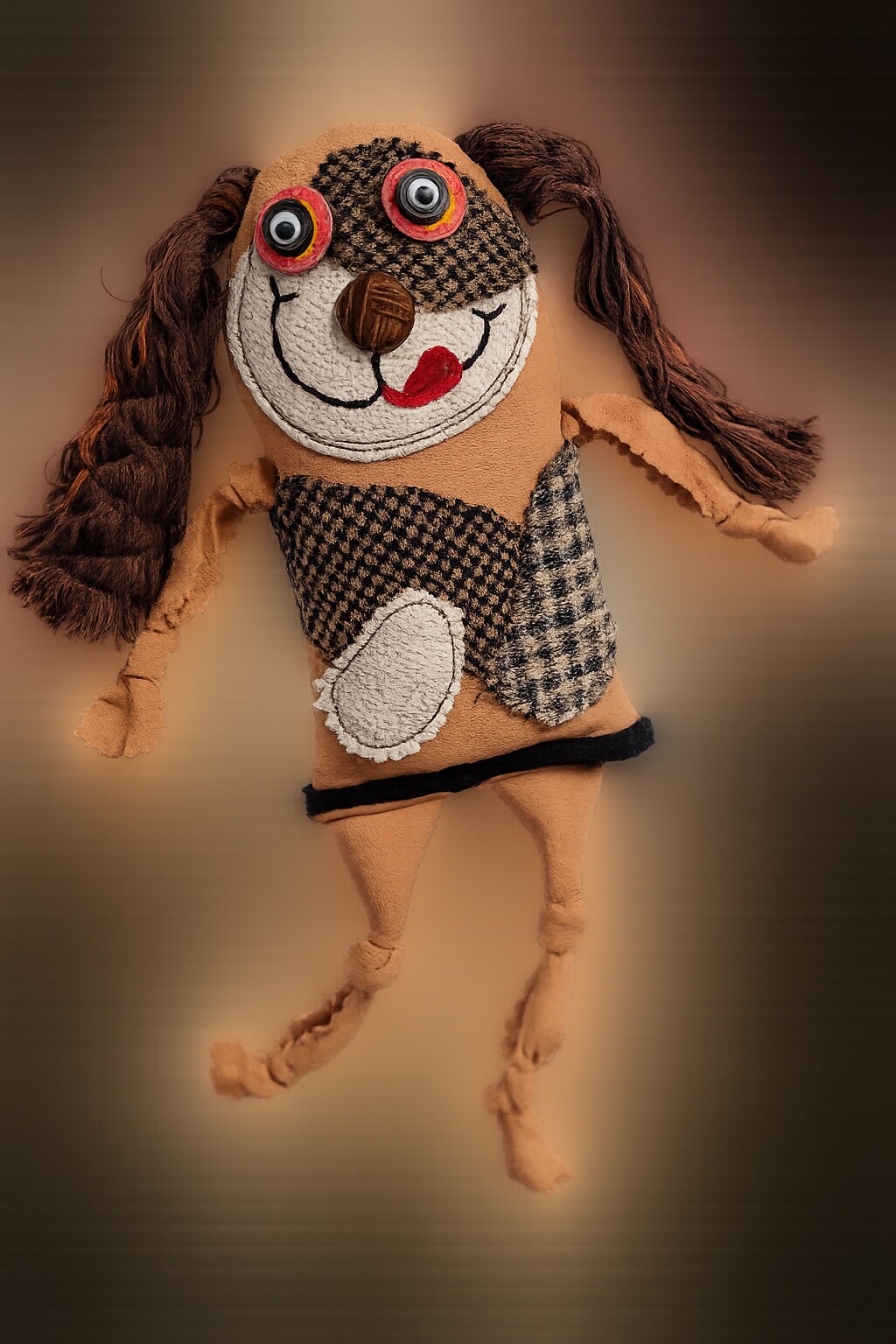
Scrappy Dolls is a growing collection of one-of-a-kind cloth dolls and custom memory dolls — each hand-cut and stitched from quilting cottons, vintage prints, and beloved fabric remnants too lovely to throw away.
The Studio
Every Scrappy Doll begins as a pile of fabric — quilt offcuts, an old pillowcase, the last good piece of a favorite shirt.
Kanda Kay cuts and pieces each doll by hand, machine-stitches the seams for strength, and finishes with embroidered features and a name only that doll will ever wear. The result is a small, characterful keepsake — warm-feeling, hand-finished, and unmistakably one of a kind.
The Process
Vintage prints, quilt remnants, and meaningful scraps — every doll begins with fabric that already has a story.
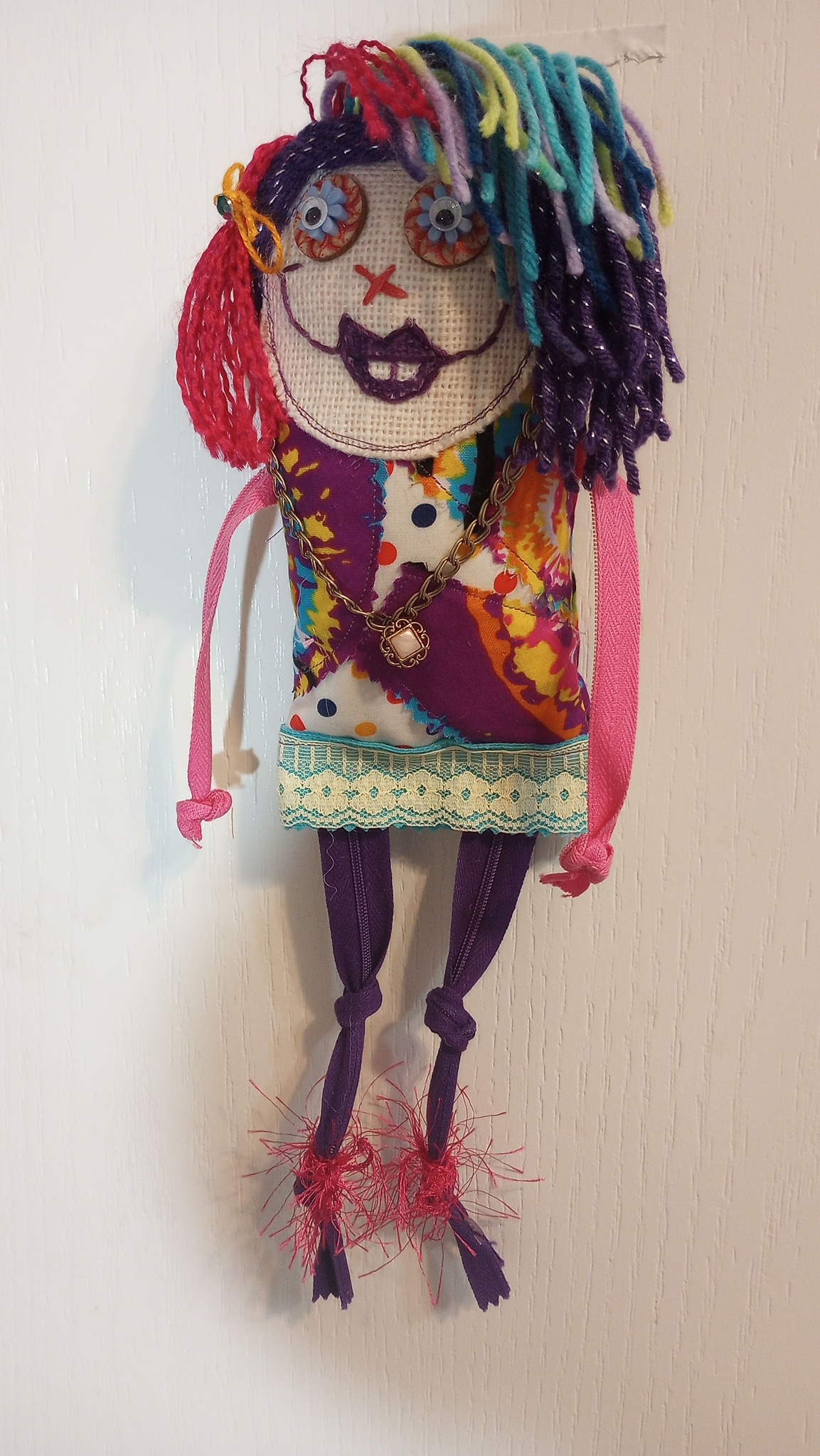
Pattern pieces are hand-cut, then arranged and pieced into a unique combination of color, weight, and texture.
Each seam is machine-sewn for strength and hand-stitched for detail. Faces are embroidered with thread — not printed or stamped.
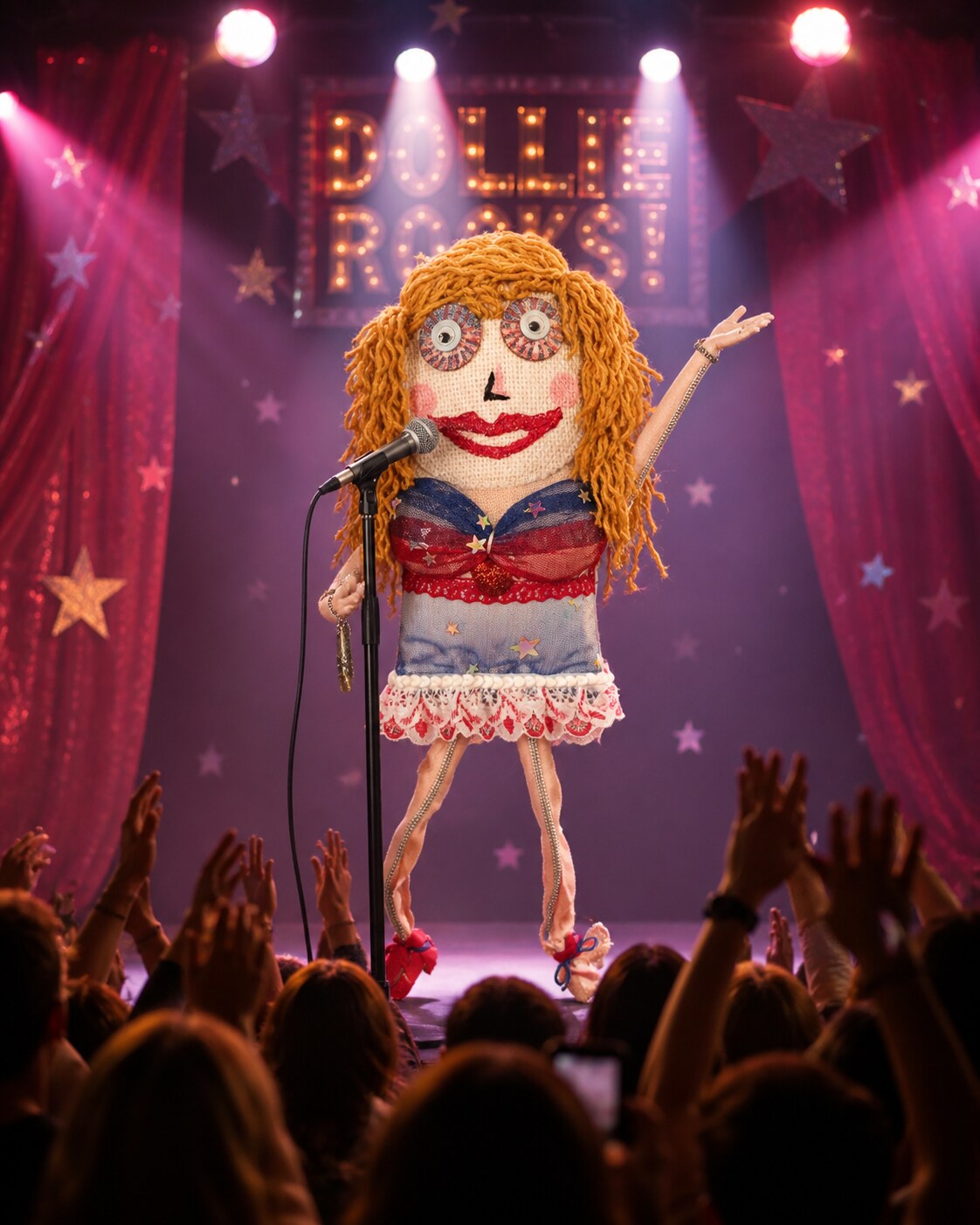
Hair, jewelry, dresses, and details are added one at a time until a doll has clearly arrived as itself.
Hold one in your hands
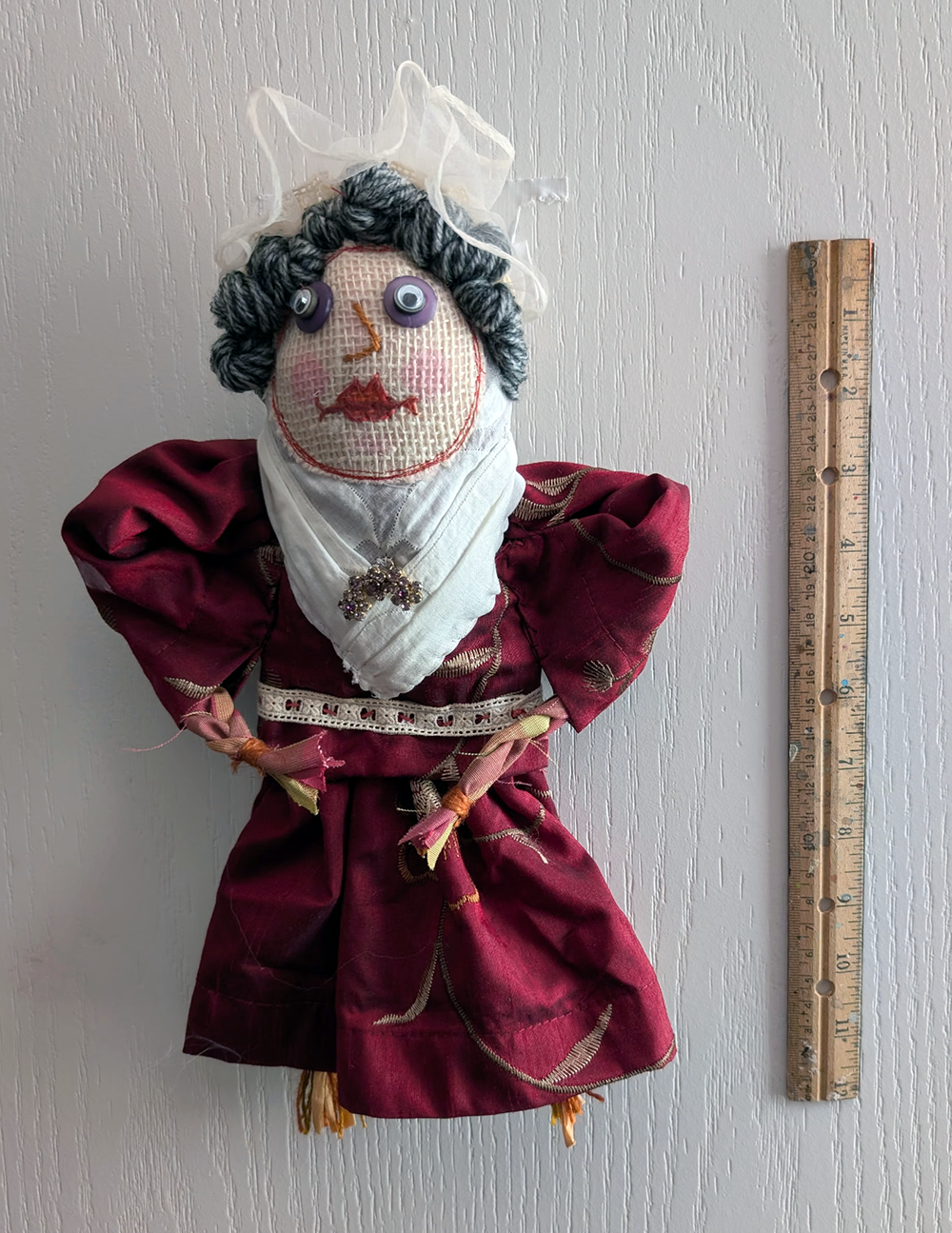
Most Scrappy Dolls stand around 12 inches — small enough to hold, big enough to have presence on a shelf, a bookcase, or a window seat.
There's natural variation: some are a little taller, some a little stouter, depending on the fabric and the personality that emerges along the way. Each one's exact size is part of who she is.
Meet Kanda Kay
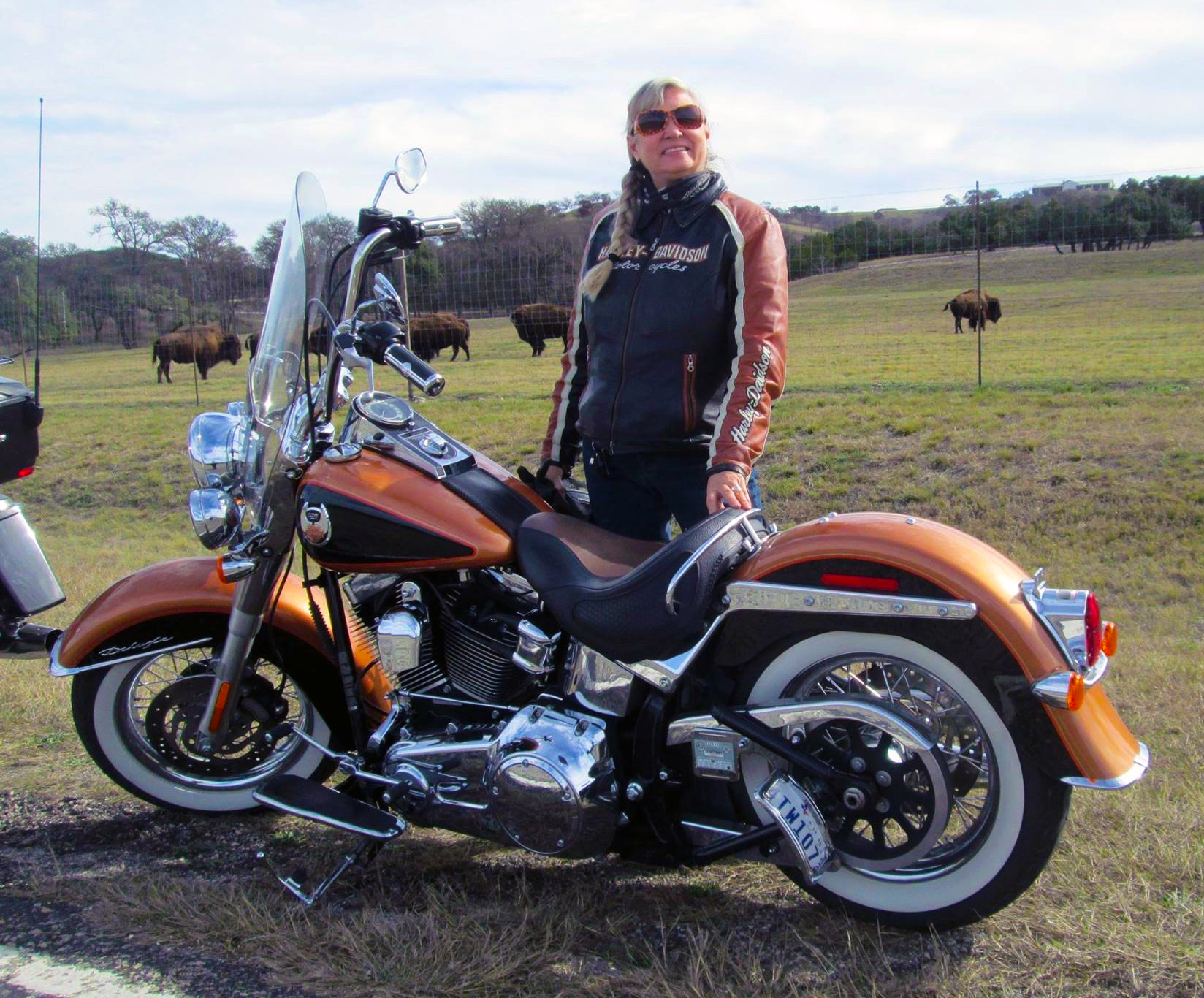
Kanda grew up in a family of painters, photographers, musicians, and seamstresses — making was simply the language spoken at home.
After studying art education at Kansas University (KU), she opened her own weaving shop. While homeschooling her three children, she kept creative work at the center of family life — and watched that next generation grow into artists, musicians, photographers, graphic designers, and web developers in their own right.
In retirement, she founded Art Safari Studio and has never stopped making. Her work there has gravitated toward combining everyday materials — quilt offcuts, vintage prints, the last good piece of a beloved shirt — into one-of-a-kind pieces. Scrappy Dolls is where that lifelong practice has landed.
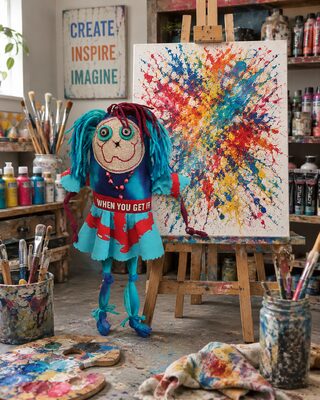
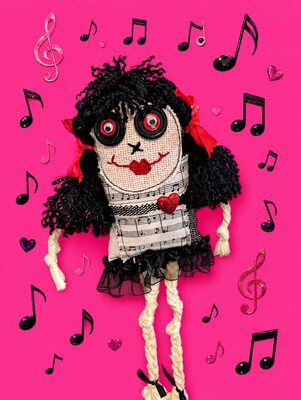
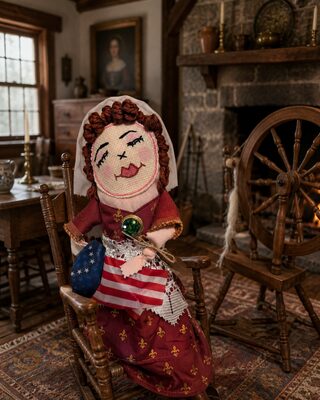
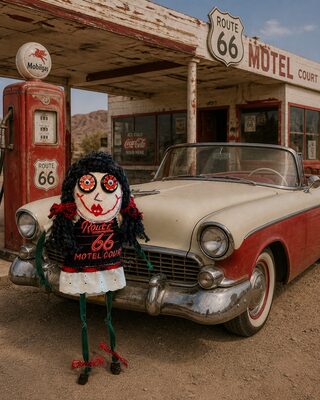
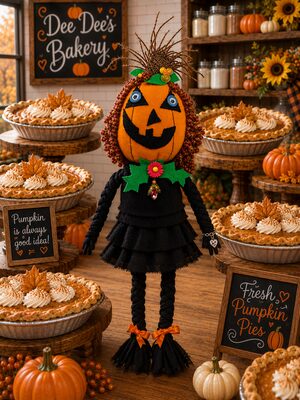
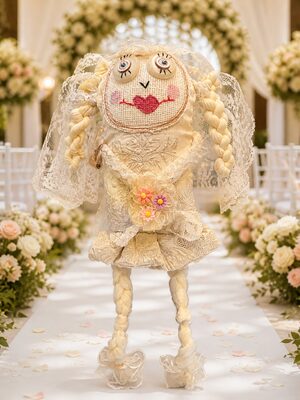
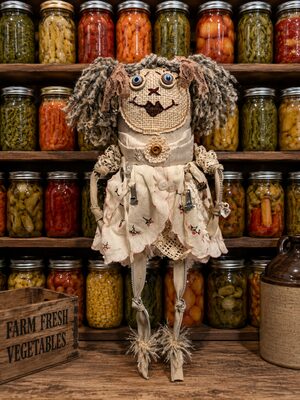
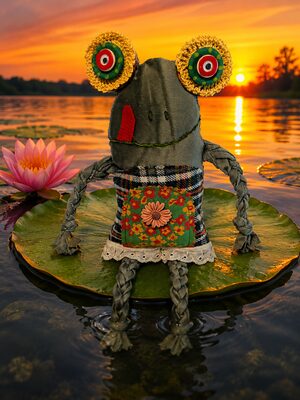
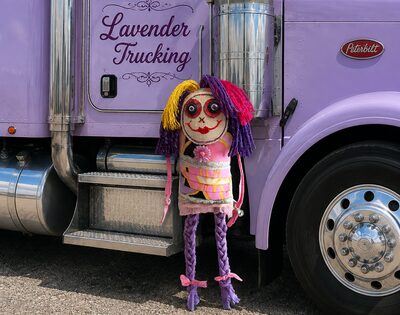
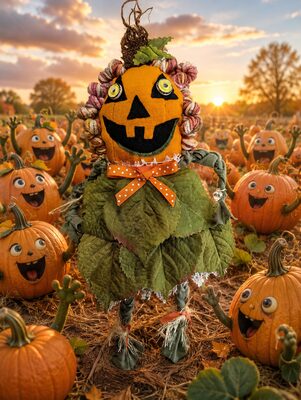
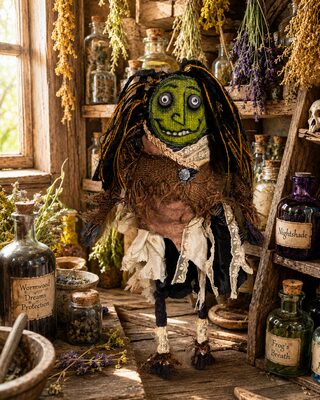
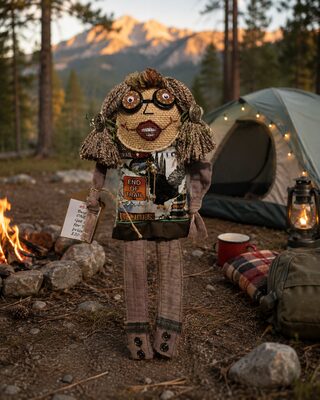
Available Now
A live look at the studio. Click any doll to take her home.
Kind Words
Kanda is an AMAZING artist! She is friendly, professional, very reasonable in pricing, and responsive. We are SO HAPPY with the final product — she captured our furr-babes so perfectly in her whimsical, fun way!
I know and recommend this artist — she is amazing and talented. One of a kind.
This artist is magic! I have quite a few pieces, plus one that was specifically commissioned.
The Tradition
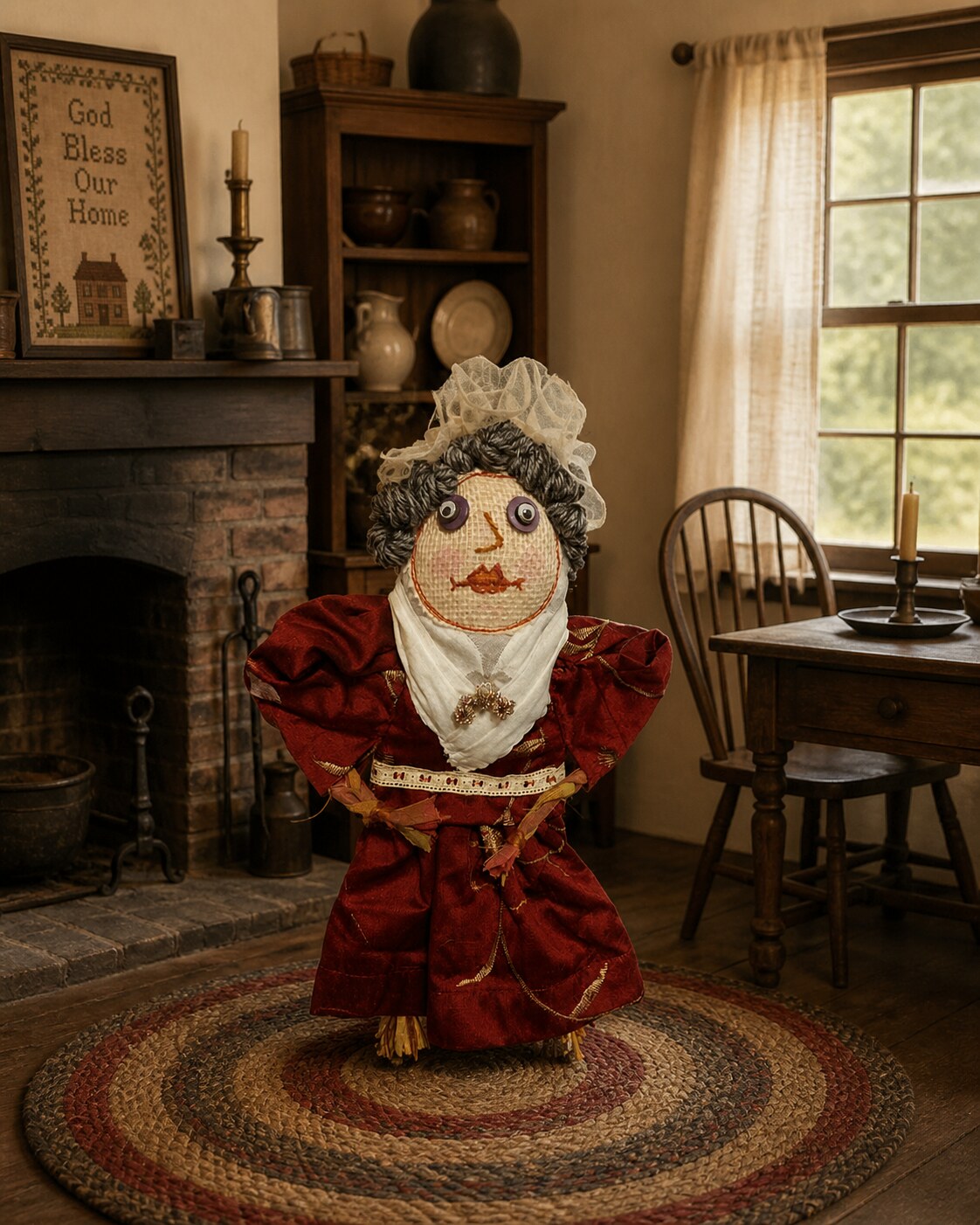
Scrappy dolls are handmade cloth dolls stitched from leftover fabric — quilting cottons, vintage prints, worn-out clothing, and remnants too small for anything else but too beautiful to discard. The tradition runs centuries deep. In early America, mothers and grandmothers fashioned dolls from household scraps — old dresses, flour sacks, handkerchiefs — using whatever the household could spare. Appalachian folk dolls, prairie dolls, and Amish faceless dolls all grew from this same impulse: take what you have and make something worth keeping.
What sets scrappy dolls apart is the material itself. Every scrap carries a history — a quilt that wore through, a child's outgrown shirt, the last cut from a bolt of fabric a grandmother picked out. The doll becomes a vessel for those stories. No two scrappy dolls look alike because no two fabric piles are the same. The wonky proportions, mismatched prints, and hand-stitched imperfections are not flaws. They are the entire point.
Frequently Asked
Yes. Browse available dolls in the shop — each is one of a kind, so when she's gone, she's gone. New work is announced on Art Safari Studio's Facebook page as it comes off the table.
Memory dolls — made from outgrown clothing, a wedding dress, a beloved quilt — are part of what scrappy dolls are best at. Reach out to Kanda on Facebook to talk through your fabric and what you'd like.
Most Scrappy Dolls stand around 12 inches tall — about a foot — with natural variation depending on the fabric and the character that emerges. See the size comparison →
Free shipping on orders $50 or more. Otherwise: $7.99 for the first doll and $2.99 each additional doll in the same order. Calculated automatically at checkout — bundling is the cheapest way to bring more than one home.
Spot clean only, with a damp cloth and mild soap if needed. Treat your Scrappy Doll as a display piece — hand-washing, soaking, or laundering will loosen the adhesives and undermine the fabric construction, and can cause the doll to fall apart.
It depends on the fabric, the character, and the level of detail. A doll can take anywhere from an afternoon to several days — and each one tells you when it's done.
Stay close
Follow Art Safari Studio on Facebook for new work, sneak peeks of what's on the table, and the stories behind the dolls.